Serving Detroit and all of Michigan — No cost, no commitment, no pressure.
Quick Answer
A free home care consultation in Michigan is a no-cost in-home visit from a care coordinator at Cottage Home Care MI, LLC. The coordinator checks your Medicaid eligibility, assesses your loved one's daily care needs, explains Michigan's Home Help Program, helps you complete the required DHS-390 and MDHHS-6200 state forms, and builds a personalized care plan — all for free. Care can begin in as little as 24 to 48 hours.
Are you trying to figure out how to get help for an aging parent at home? You're not alone. Thousands of Michigan families face that same question every year — and most don't know where to start. That's exactly what this free consultation is designed to solve.
What Happens During a Free Home Care Consultation?
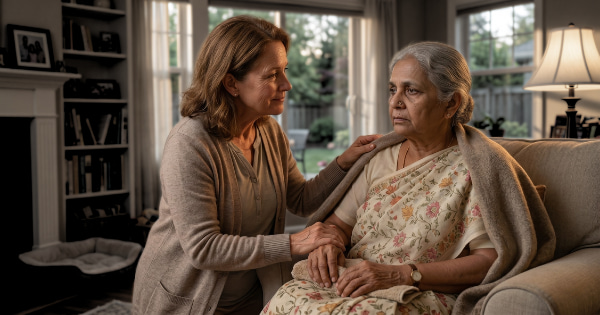
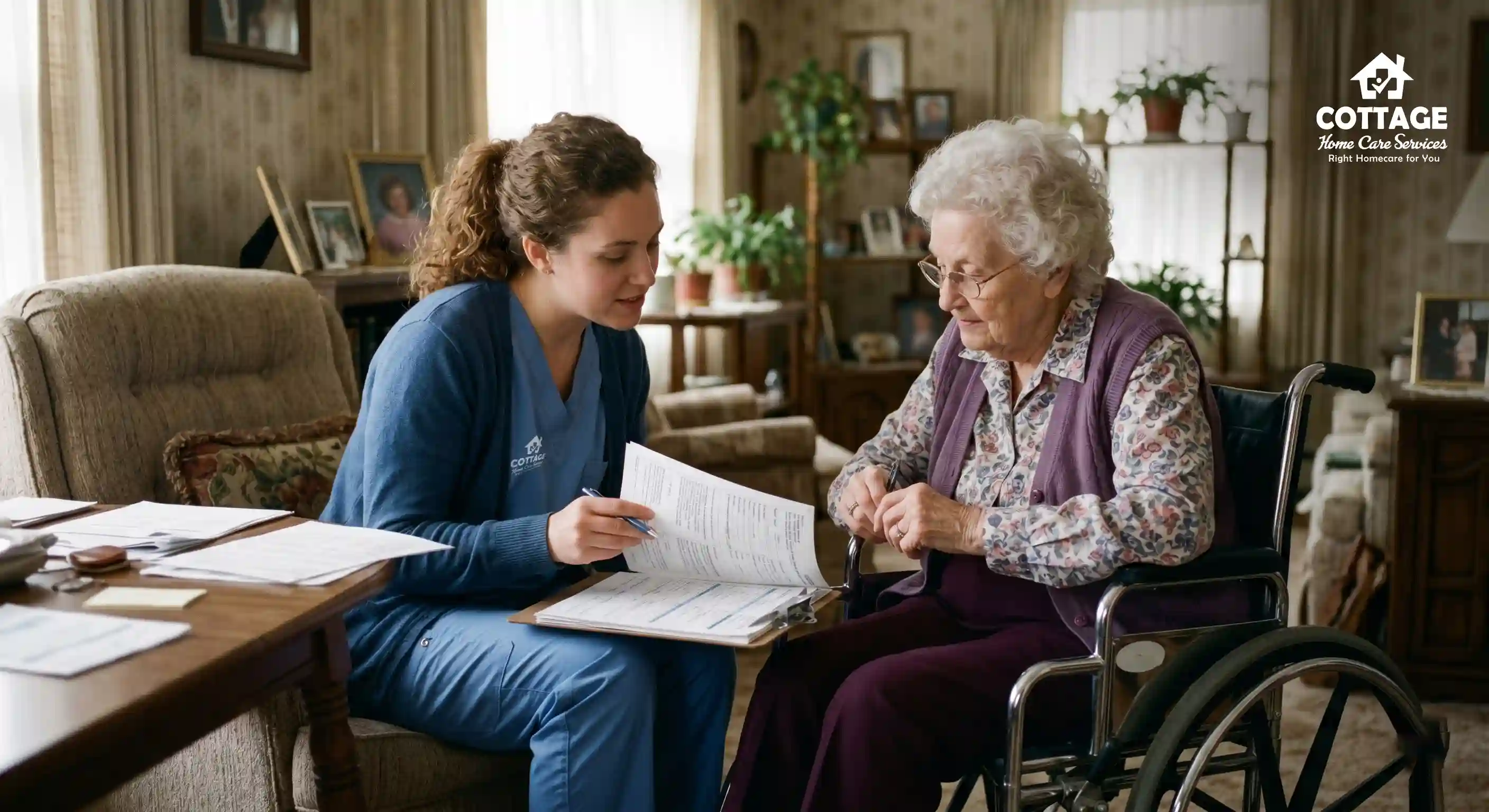
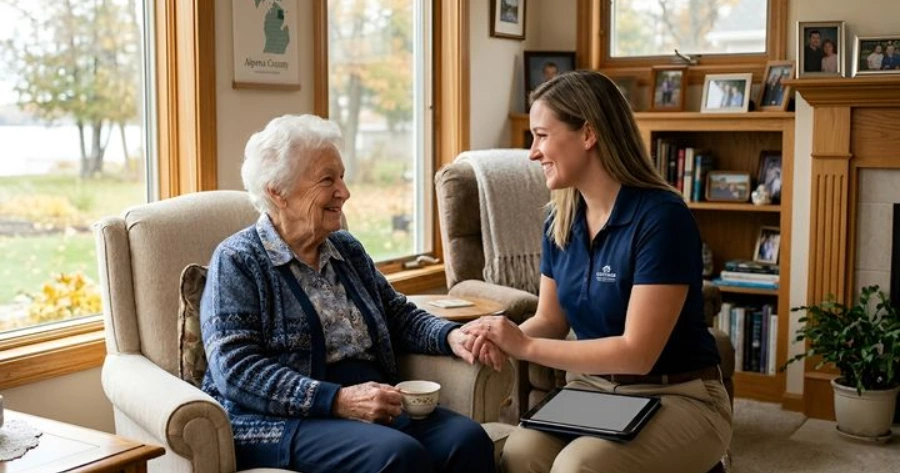
Think of it as a one-stop meeting where your family gets real answers. A care coordinator from Cottage Home Care MI comes to your home — not an office. The whole point is to understand your loved one's situation and find the right kind of support.
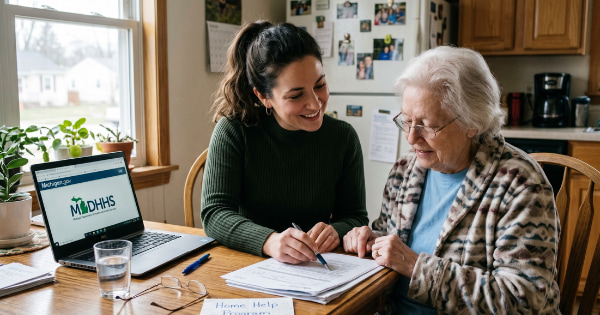
Walk through the DHS-390 and MDHHS-6200 forms step by step
Assess daily care needs — bathing, dressing, meals, mobility, and more
Explain Michigan's Consumer-Directed Care Model in plain language
Review HIPAA privacy rights and what clients are entitled to
Go over care rates and payment options including private pay
Perform a free home safety and fall-risk check at no extra charge
Answer every question you have before anyone signs anything
The meeting takes about an hour. You won't be rushed. Nothing moves forward until your family is ready. Our coordinators are trained to make the conversation comfortable — even when the topic feels personal or hard to bring up.
Who Should Get a Free Home Care Consultation?
If anyone in your family is asking one of these questions, a free consultation is the right first step:
How do I apply for Michigan's MDHHS Home Help Program?
Can a family member get paid to care for my elderly parent in Michigan?
What daily tasks can a Home Help provider do under Michigan's rules?
Is in-home care a real option instead of a nursing home?
What do I do if my loved one needs help right now?
The consultation is especially helpful for four groups. First, seniors who need help with daily tasks but want to stay home. Second, adults with disabilities who need ongoing support. Third, family members already providing free, informal care and wondering if they can get paid for it. And fourth, families in rural parts of Michigan who aren't sure what services are even available near them.
What Is Michigan's Home Help Program?
Definition
Michigan's Home Help Program is a Medicaid-funded service run by the Michigan Department of Health and Human Services (MDHHS). It pays for personal care and homemaking help for eligible adults who can't manage those tasks on their own. The goal is simple: help people stay in their own home instead of moving into a nursing facility.
The program works on what MDHHS calls a "time and task" model. The state approves a certain number of care hours per week and a specific list of tasks — based on each person's own assessment. Services are not medical care. A Home Help provider won't give medications or do wound care. But they cover a wide range of daily tasks that make a real difference.
Personal Care
Bathing, dressing, grooming, mobility help, fall prevention, and toileting support.
Homemaking
Light housekeeping, laundry, meal planning, cooking, and grocery shopping.
Memory Support
Reminders to eat, drink water, take medications, and follow a daily routine.
Companionship
Social interaction, hobbies, activities, and emotional support at home.
Can a Family Member Get Paid to Be a Caregiver in Michigan?
Direct Answer
Yes. Under Michigan's Consumer-Directed Care Model, you can choose an adult family member, trusted friend, or neighbor as your paid caregiver. The agency enrolls them as a W-2 employee and takes care of all payroll, taxes, and state compliance. You pick the person. The agency handles the rest.
Here is how the roles break down:
Your Role (Client)
Choose your caregiver and direct the care you receive each day at home.
Agency's Role
Handle hiring, payroll, tax withholding, background checks, and MDHHS compliance.
Caregiver's Status
Registered as a W-2 employee — legally paid, protected, and accountable.
Program Goal
Keep people in their own homes as they age — not in a facility.
A few rules apply. The caregiver must be at least 18 years old and legally allowed to work in the United States. They must pass a background check. A spouse cannot be a paid caregiver under this program. And a parent cannot be paid to care for their minor child. If the person you have in mind might not qualify, the coordinator will tell you right away — and help you find another option.
Medicaid vs. Private Pay — Which Option Is Right for Your Family?
Not sure which path fits your family? The free consultation covers both clearly. Plenty of families start with one option and switch to the other as their situation changes — and Cottage Home Care MI supports both.
How to Prepare for Your Home Care Consultation
Before the visit, the most important thing is to talk to your loved one. The idea of bringing a caregiver home can feel like a big change. Some people resist it — and that's okay. Listen to what they say. Let them know that the goal is to help them stay home and stay independent, not to take control away from them.
Then think through a few things before the meeting:
What time of day does your loved one need the most help?
Which tasks are hardest — bathing, cooking, getting around, or remembering medication?
Do you have a family member or friend in mind to be the caregiver?
Are you exploring Medicaid, private pay, or both?
Does your loved one currently receive any MDHHS benefits?
Write down your questions. Bring them. There are no silly questions here. The ones families think are too small to ask are often the most important ones — and our care coordinators have heard them all before.
How to Get Home Care in Michigan — Step by Step
Call or email to request your free consultation: One call to (313) 762-4272 or an email to michigan@cottagehomecare.com gets things started. We schedule a home visit at a time that works for you.
Meet with a care coordinator at home: A coordinator comes to you. They assess care needs, check Medicaid eligibility, and answer your questions face to face in a familiar setting.
Complete the required state forms: The coordinator helps you fill out the DHS-390 and MDHHS-6200 forms correctly. Getting these right the first time avoids delays that can last weeks.
Choose your caregiver: Pick a trusted family member, friend, or let us help you find a qualified match. The agency enrolls them and handles everything on the employer side.
Care begins — usually within 24 to 48 hours: Once paperwork is complete, care starts fast. In true emergencies — where safety is immediately at risk — same-day support may be possible.
Common Mistakes Families Make — and How the Consultation Prevents Them
Without proper guidance, families often:
Submit the wrong Medicaid form — causing delays of weeks or months
Hire caregivers without MDHHS authorization, which creates legal risk
Expect services that are not actually covered under the Home Help Program
Miss required documents, stalling the entire approval
Assume a spouse can be the paid caregiver — they cannot under this program
These mistakes are common. But they are also completely avoidable. The consultation prevents every one of them. The coordinator makes sure the right forms are filed, explains who can legally be a paid caregiver, clarifies what the program covers, and helps you keep your paperwork in order. Getting it right the first time can save your family weeks — sometimes months — of back-and-forth with the state.
What About Families in Rural Michigan?
Home care looks very different depending on where you live. Families near Detroit, Grand Rapids, or Lansing have more provider options and faster response times. Families in rural areas — places like Alpena, Newaygo, or the Upper Peninsula — often face fewer local providers and longer waits.
But here is the good news: the Consumer-Directed Care Model changes everything for rural families. When your loved one can pick a trusted family member or neighbor as their caregiver, geography stops being the main problem. You don't need a long list of local agency staff. You just need one qualified person your loved one already trusts.
Michigan's Home Help Program is available statewide. If you live outside the Detroit metro and aren't sure how to access it, just call us. We will tell you exactly what we can do and how quickly we can help — no matter where you are in Michigan.
What Happens After the Consultation?
The consultation ends with a clear plan, not a vague follow-up. You will know what forms need to go where, what your options are, and when care can realistically start. Nothing moves forward without your agreement.
Once you decide to move ahead, the agency takes over. We handle caregiver enrollment, background checks, payroll setup, and schedule coordination. You get one dedicated contact — one number to call if anything changes, if the schedule needs adjusting, or if a different caregiver is needed down the road.
Ongoing supervision is built into the arrangement. Supervisory visits happen on a regular schedule to make sure the care plan still matches your loved one's actual needs. When things change — and they often do — we update the plan and notify MDHHS. The paperwork burden stays with us, not with your family.
Good to Know
Families often say the consultation itself is a relief. Not because it solved everything instantly, but because someone finally walked them through the whole picture. Whatever questions you come in with, expect to leave with answers.
Frequently Asked Questions About Home Care in Michigan
What is a free home care consultation in Michigan?
A free home care consultation is a no-cost in-home visit from a Cottage Home Care MI coordinator. They check Medicaid eligibility, assess daily care needs, explain the Home Help Program, walk through state forms (DHS-390 and MDHHS-6200), and build a personalized care plan — all at no charge to your family.
How soon can home care start in Michigan after a consultation?
Home care in Michigan typically starts within 24 to 48 hours after the consultation and paperwork are complete. In emergencies — where daily safety is immediately at risk — same-day care may be possible.
Can a family member get paid to care for an elderly parent in Michigan?
Yes. Under Michigan's Consumer-Directed Care Model, an adult child, sibling, or trusted friend can be a paid W-2 caregiver through the Home Help Program. They must be at least 18, legally able to work in the U.S., and pass a background check. Spouses cannot be paid caregivers. The agency manages all payroll and taxes.
What forms are needed for Michigan's Home Help Program?
You need the DHS-390 and MDHHS-6200 forms. During your free consultation, a care coordinator walks you through each one step by step. Filling them out incorrectly is one of the most common reasons families face long delays — the consultation prevents that from happening.
Who qualifies for Michigan's Home Help Program?
Michigan residents who are Medicaid-eligible and need help with daily tasks — such as bathing, dressing, meal prep, or light housekeeping — may qualify. Both seniors and adults with disabilities can apply. Eligibility is based on income and a functional assessment by MDHHS.
Does Michigan's Home Help Program cover nursing care?
No. The Home Help Program covers personal care (bathing, dressing, mobility) and homemaking (meal prep, laundry, light cleaning) — not skilled nursing. Medication administration and wound care fall under separate Medicaid waiver programs. Your coordinator will clarify exactly what is covered during the consultation.
Is in-home care a real alternative to a nursing home in Michigan?
For many Michigan families, yes. The Home Help Program was designed to help people stay in their own homes instead of moving into a nursing facility. If your loved one needs help with daily tasks and is safe at home with that support, in-home care is often the better — and less expensive — option. The free consultation helps you decide if it's realistic for your situation.
Ready to Talk? Here's How to Reach Us.
No fees. No forms to fill out first. No pressure. Just one conversation to find out exactly what your family qualifies for — and what care can look like for your loved one.

















Discussion
Leave a Reply