Anxiety Hypertension: Is Your Blood Pressure High — Or Is Anxiety Playing Tricks on You?
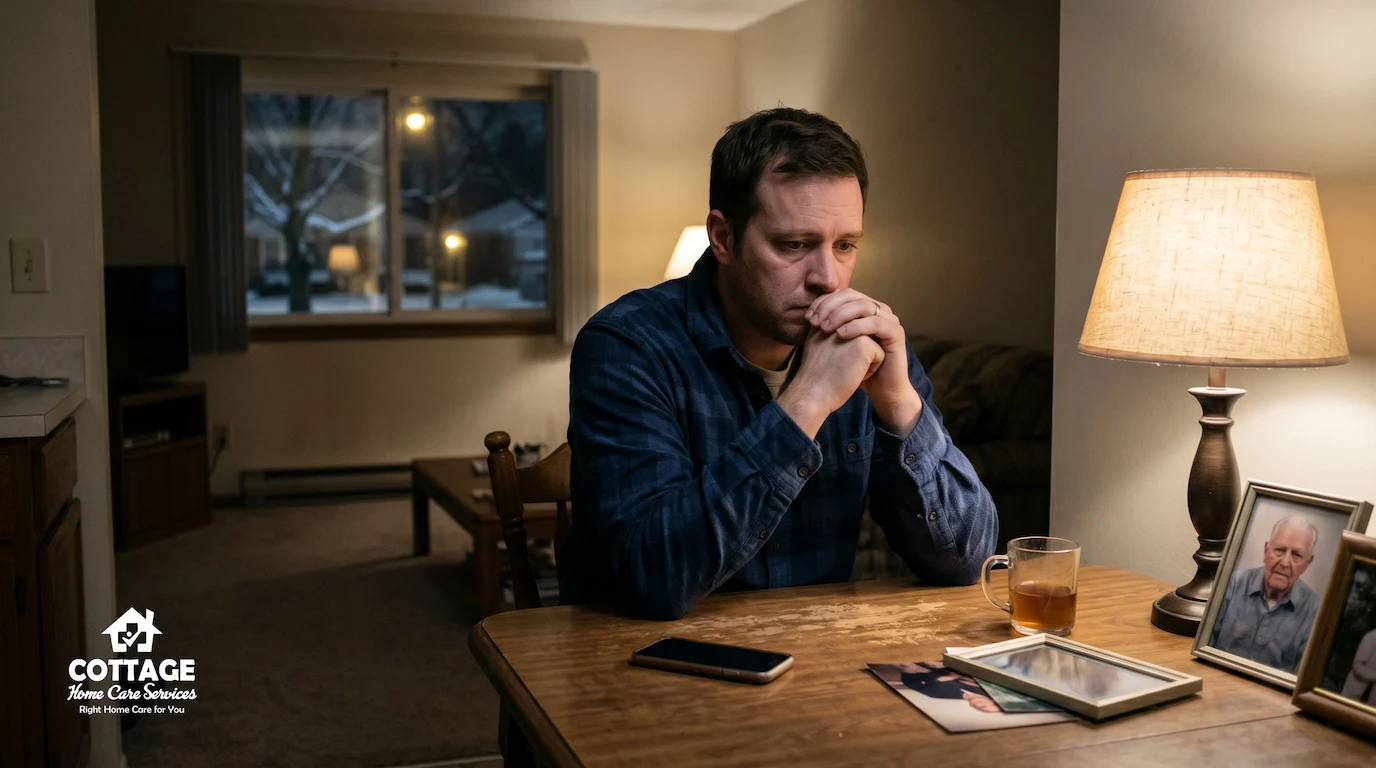
You check your blood pressure after a rough day. It reads 160/90. Your heart sinks. Am I having a heart problem? You check again — 150/80. Then 140/100 an hour later. This rollercoaster of numbers has a name: anxiety hypertension — and it is more common than you think.
Sound familiar? You are not alone.
Anxiety hypertension is one of the most misunderstood health situations in America today. Millions of people sit in doctors' offices with a blood pressure cuff on their arm, heart racing, palms sweating — and get a reading that scares them half to death. Then they drive home, check it again, and it's fine.
So what is actually going on?
This article breaks it all down clearly: what anxiety does to your blood pressure, which numbers are dangerous, what anxiety and high blood pressure feel like together, and — most importantly — what you can do about it starting today.
What Is Anxiety Hypertension? (And Why Your Doctor Might Miss It)
Anxiety hypertension refers to temporary or repeated spikes in blood pressure that are triggered by anxiety, stress, panic, or fear — rather than a fixed cardiovascular disease.
It is not the same as chronic hypertension, where blood pressure stays elevated even when you are relaxed. According to the Centers for Disease Control and Prevention (CDC), nearly half of all adults in the United States have high blood pressure — but not all of it is caused by heart disease.
The key difference:
| Feature |
Anxiety-Related BP Spike |
Chronic Hypertension |
| Duration |
Minutes to hours |
Persistent, days/weeks |
| Trigger |
Stress, panic, fear |
Lifestyle, genetics, age |
| Resting BP |
Normal when calm |
High even at rest |
| Risk level |
Usually temporary |
Long-term organ damage risk |
| Treatment |
Anxiety management |
Medication + lifestyle |
When you feel anxious, your brain fires off a fight-or-flight signal. Your adrenal glands dump adrenaline and cortisol into your blood. Your heart beats faster. Your blood vessels narrow. Blood pressure climbs. This is your body doing exactly what it was built to do.
The problem? Your brain cannot always tell the difference between a tiger chasing you and a blood pressure cuff on your arm.
How Much Can Anxiety Raise Blood Pressure? (Real Numbers, Real Answers)
This is the question everyone is actually searching for. Let's answer it directly.
Short answer: anxiety can raise systolic blood pressure by 10–40 mmHg in minutes.
Here's what that looks like in practice:
- Your baseline: 120/80 → During a panic attack: 160/100 or higher
- Your baseline: 130/85 → During severe anxiety: 170/100 or 180/110
- In extreme cases, panic attacks can briefly push readings to 190–200 mmHg systolic
What Do These Specific Readings Mean?
"My blood pressure is 150/90 — is it anxiety?"
This is Stage 1–2 hypertension territory. If it drops back to normal within an hour of calming down, anxiety is a likely cause. If it stays there, see your doctor.
"My blood pressure reads 160/100 — should I panic?"
160/100 is Stage 2 hypertension. One reading alone during a stressful moment is not an emergency. Multiple readings at this level, even at rest, require medical evaluation.
"What about 170/100?"
At 170/100, you are in elevated territory. If you also have a headache, chest pain, or blurred vision — seek care immediately. If you feel calm and it drops after 20 minutes, anxiety is likely the culprit.
"Can anxiety raise blood pressure to 180?"
Yes. During a full panic attack, readings of 180/110 or higher are documented. This is technically a hypertensive crisis threshold, though anxiety-induced spikes usually resolve on their own within 20–30 minutes.
"Can anxiety raise blood pressure to 200?"
In rare, severe panic episodes — yes, briefly. However, sustained readings at 200 require emergency evaluation regardless of cause.
Bottom line: Anxiety can absolutely cause blood pressure spikes that look like hypertension on paper. Whether they are hypertension depends on what happens when you are calm.
Anxiety and Blood Pressure: The Vicious Cycle Nobody Warns You About
Here is what makes anxiety and hypertension so tricky — they feed each other.
Step 1: You feel anxious → BP spikes → you check your BP → the reading scares you → more anxiety.
Step 2: You worry about your heart → you avoid exercise → you sleep badly → cortisol rises → BP stays elevated.
Step 3: Your doctor sees a high reading → you get labeled "hypertensive" → now you are anxious about your diagnosis → BP spikes every time you visit.
This is called white coat syndrome (or white coat hypertension), and it affects up to 30% of patients who show high readings in clinical settings. Research published in the Archives of Internal Medicine found that white coat hypertension is not just "nerves" — it is actually a conditioned response, similar to Pavlov's dog. Your body has learned to associate the medical setting with anxiety, and it responds accordingly.
White Coat Syndrome vs. Masked Hypertension — The Flip Side
White coat syndrome: BP is high only at the doctor's office. Normal at home.
Masked hypertension: BP is normal at the doctor's office but high everywhere else. This is actually more dangerous because it goes undetected.
Both conditions highlight the same message: one single blood pressure reading tells you almost nothing. Multiple home readings over several days give you the real picture. The American Heart Association recommends home monitoring as the most reliable way to track your true blood pressure patterns.
Anxiety Hypertension Symptoms: How Does It Actually Feel?
When anxiety is driving your blood pressure up, you will often notice a cluster of symptoms together. These overlap significantly — which is why differentiating them matters.
Anxiety Symptoms That Look Like High BP:
- Racing or pounding heart (palpitations)
- Tight chest or anxiety chest pain
- Dizziness or lightheadedness
- Shortness of breath
- Sweating, trembling
- Feeling of doom or "something is wrong"
- Headache at the back of the neck
High BP Symptoms (When Present):
- Persistent headache, especially in the morning
- Visual changes or blurred vision
- Shortness of breath that does not resolve
- Nosebleeds
- Chest pain that doesn't improve with breathing
The hard truth: most hypertension has no symptoms at all. It is the "silent killer" for a reason. If you are feeling dramatic physical symptoms, anxiety is often more likely to be driving them than blood pressure alone. The Mayo Clinic confirms that most people with high blood pressure have no signs or symptoms, even at dangerously high levels.
How Long Does Anxiety-Related High Blood Pressure Last?
Here is the reassurance you are looking for:
Anxiety-induced BP spikes typically peak within 5–15 minutes and return to baseline within 20–60 minutes after the trigger passes.
If your reading is high and you:
- Sit quietly for 5–10 minutes
- Take slow, deep breaths
- Re-check after 20 minutes
...and the number has dropped significantly — anxiety is almost certainly the cause.
If your pressure stays elevated for hours despite rest and calm, or if you consistently read above 130/80 even at home when relaxed, that signals true hypertension requiring medical attention.
Propranolol for Anxiety and Blood Pressure: Does It Help?
You may have heard about propranolol for anxiety. It is a beta-blocker originally developed for heart conditions but widely used off-label for anxiety — specifically for the physical symptoms.
How does propranolol work for anxiety hypertension?
Propranolol blocks adrenaline's effect on your heart and blood vessels. This means:
- Heart rate slows down during anxious episodes
- Blood pressure does not spike as dramatically
- Physical anxiety symptoms (trembling, racing heart) are reduced
Typical propranolol dose for anxiety: 10–40 mg taken 30–60 minutes before an anxiety-triggering event. For ongoing anxiety and elevated BP, a doctor may prescribe a daily low dose.
Important: Propranolol treats the physical expression of anxiety — not the underlying worry or thought patterns. It works best combined with therapy or other anxiety treatments.
Never start or stop propranolol without medical guidance. It can interact with blood pressure medications and should not be stopped abruptly. Learn more about beta-blocker options at MedlinePlus.
Over-the-Counter Anxiety Medication and Blood Pressure: What's Safe?
If you are wondering about over-the-counter anxiety medication options, here is a quick guide:
| OTC Option |
Effect on BP |
Notes |
| Magnesium glycinate |
May mildly lower BP |
Generally safe |
| L-theanine |
Neutral to mild positive |
Found in green tea |
| Ashwagandha |
May reduce cortisol |
Limited data |
| Valerian root |
Neutral |
May cause drowsiness |
| Decongestants (avoid) |
Raises BP |
Common cold meds — dangerous with hypertension |
| Caffeine (avoid) |
Raises BP |
Can worsen anxiety spikes |
Always tell your doctor or pharmacist about any supplements if you are taking blood pressure medication. Some combinations are unsafe.
Can High Blood Pressure Cause Anxiety? (The Reverse Link)
Yes — and this is a gap most articles fail to address clearly.
A study of over 33,000 people found that people who knew they had high blood pressure were significantly more anxious than those who had high BP but didn't know it yet. In other words, the diagnosis itself caused anxiety, not the condition.
This matters because:
- Your anxiety may be a reaction to your hypertension diagnosis — not a cause of it
- Treating the anxiety may lower your BP readings even without BP medication
- Symptoms of hypertension (like headaches and dizziness) can trigger anxiety attacks
Can high blood pressure cause anxiety and depression? Research increasingly says yes. Living with a chronic condition, worrying about strokes or heart attacks, and navigating medications all contribute to real mental health burden. The American Heart Association now recommends mental health screening as part of cardiovascular care.
According to the Anxiety and Depression Association of America (ADAA), anxiety disorders affect nearly 40 million adults in the United States — making the overlap with hypertension an enormous and often unaddressed public health issue.
Anxiety and Blood Pressure Medicine: What You Need to Know
Some anxiety medications affect blood pressure — in both directions.
SSRIs (sertraline/Zoloft, escitalopram/Lexapro, fluoxetine/Prozac): Generally do not raise blood pressure and may help stabilize it over time by reducing the chronic stress response.
SNRIs (like venlafaxine/Effexor): Can raise blood pressure in some people due to their effect on norepinephrine. Your doctor should monitor your BP if you start one.
Benzodiazepines (Xanax, Valium): Cause short-term calm but create dependence risk. Not recommended for long-term anxiety or hypertension management.
Beta-blockers (propranolol, atenolol): Lower both anxiety symptoms and blood pressure. Often prescribed when both conditions coexist.
If you are managing anxiety and hypertension treatment together, a care plan that addresses both conditions simultaneously tends to produce better results than treating them separately. The National Institute of Mental Health (NIMH) provides detailed guidance on anxiety treatment options that your doctor can help you explore.
Therapists for Relationship Anxiety, Health Anxiety, and BP Fears
One underserved group in this conversation: people with health anxiety (also called illness anxiety disorder). These are individuals who repeatedly check their blood pressure, interpret normal fluctuations as catastrophic, and find themselves in an endless loop of monitoring and panic.
Cognitive Behavioral Therapy (CBT) is the gold-standard treatment. A therapist — whether a general anxiety therapist or someone specializing in therapists for relationship anxiety or somatic symptoms — can help you:
- Identify the thought patterns triggering the anxiety
- Reduce compulsive BP checking behavior
- Build a healthier, less reactive relationship with your body
A 2018 study from the American Heart Association found that adding virtual counseling to a hypertension treatment plan lowered blood pressure and reduced cardiovascular risk.
You can find a licensed therapist near you through the ADAA therapist directory or through your primary care provider.
How to Lower Anxiety-Related Blood Pressure Right Now
If your reading is high and you want to bring it down fast:
5-Minute Protocol:
- Sit down — back supported, feet flat on the floor
- Breathe — inhale 4 counts, hold 4, exhale 6 counts. Repeat 5 times
- Close your eyes — remove visual stimulation
- Wait 5–10 minutes in silence
- Recheck — if it dropped 10+ points, anxiety was the driver
Daily Habits That Reduce Anxiety-Driven BP:
- Exercise: 30 minutes of walking 5 days/week can reduce systolic BP by 4–11 mmHg
- Sleep: Poor sleep raises cortisol, which raises BP. 7–9 hours is the target
- Cut sodium: 1,000 mg less per day = up to 6 mmHg reduction
- Limit alcohol: Even 1–2 drinks raise BP temporarily
- Magnesium-rich foods: Nuts, dark leafy greens, dark chocolate
- Mindfulness: 10 minutes daily has measurable BP effects within weeks
The DASH diet, developed by the National Heart, Lung, and Blood Institute, is one of the most evidence-backed eating plans for lowering blood pressure naturally.
When to Call 911:
If your blood pressure reads 180/120 or higher AND you have any of: chest pain, difficulty speaking, vision changes, numbness, severe headache — call 911 immediately. This is a hypertensive emergency.
Home Blood Pressure Monitoring: Do It Right
Anxiety about taking blood pressure is real — even at home. Follow this protocol for accurate readings:
- Avoid caffeine and exercise for 30 minutes before
- Sit quietly for 5 minutes first
- Use an upper-arm cuff (more accurate than wrist)
- Take two readings, 1 minute apart, and average them
- Measure morning and evening for one week
- Share the log with your doctor
This gives your doctor a true picture — not a snapshot of one anxious moment. The American Heart Association's home monitoring guidelines offer additional tips on choosing the right device and reading your results accurately.
A Note for Seniors and Caregivers: Managing Anxiety Hypertension at Home
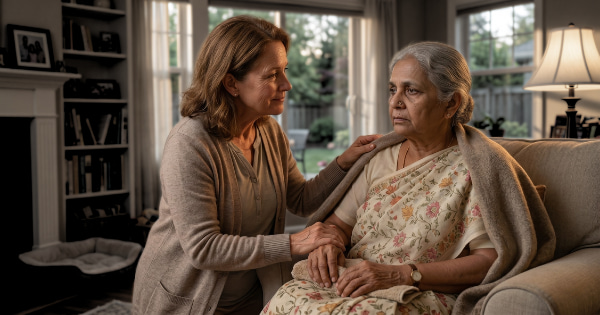
For older adults — especially those managing both anxiety and high blood pressure — consistent daily monitoring and emotional support make a real difference. Many seniors develop health anxiety after a cardiac event or a new diagnosis, and this anxiety itself drives BP higher.
If you or a loved one in Michigan needs support managing day-to-day health from home, Cottage Home Care MI LLC offers compassionate, professional home care services across all 83 Michigan counties. Their team includes multilingual caregivers who can assist with medication reminders, BP monitoring support, daily routines, and emotional companionship — all within a structured home environment that reduces the stress triggers that spike blood pressure.
Cottage Home Care MI is Medicaid and CHAMPS certified, accepts private pay, and has served Michigan families since 1992. They offer flexible scheduling and a free consultation to help you find the right level of support.
Reducing daily stress — through proper routines, support, and companionship — is one of the most effective tools for managing anxiety-driven blood pressure spikes in older adults.
Anxiety Hypertension FAQ (Voice Search & Google AI Optimized)
Can anxiety raise blood pressure to 200?
Yes, in severe panic attacks, readings can briefly reach 190–200 mmHg systolic. This is temporary and usually resolves as the anxiety passes, but any reading above 180/120 with symptoms warrants emergency care.
Is high blood pressure from anxiety dangerous?
Repeated spikes from chronic anxiety can stress blood vessel walls over time. It is not immediately life-threatening in most cases, but untreated chronic anxiety that repeatedly drives BP high does increase cardiovascular risk. The
CDC lists chronic stress as a contributing risk factor for hypertension.
How long does anxiety blood pressure last?
Typically 20–60 minutes per episode. If BP stays elevated for hours even at rest, it may be true hypertension.
Can anxiety cause blood pressure to fluctuate?
Absolutely. BP naturally varies throughout the day, and anxiety makes it swing more dramatically. Readings of 120/80 at 8 AM and 155/95 at 3 PM during a stressful moment are not unusual in anxious individuals.
Is anxiety a disability?
Severe anxiety disorders can qualify as a disability under the ADA and for Social Security purposes, depending on how significantly they impair daily functioning. The
NIMH provides statistics and criteria that support disability evaluations.
What is a panic attack blood pressure 180?
A systolic reading of 180 during a panic attack is within the documented range. It feels terrifying but is usually self-limiting. However, if other symptoms accompany it, always seek care.
Does "Anxiety Inside Out 2" have anything to do with real anxiety?
The character Anxiety in Inside Out 2 portrays the hypervigilant, worst-case-scenario thinking that drives real anxiety disorders — and that same mental state is exactly what triggers physical BP spikes in real life.
Anxiety vs. Hypertension: Quick Reference Table
| Question |
Anxiety-Driven |
True Hypertension |
| BP high only when stressed? |
Yes |
No |
| BP normal at home when calm? |
Yes |
Usually not |
| Physical symptoms during spike? |
Yes (racing heart, panic) |
Often none |
| Responds to deep breathing? |
Often |
Not significantly |
| Requires BP medication? |
Usually not first-line |
Often yes |
| Responds to anxiety treatment? |
Yes |
Partially |
Final Word: You Are Not Overreacting
If you have read this far, you are probably someone who has spent anxious hours staring at a blood pressure monitor, heart pounding, wondering what your numbers really mean.
Here is what the research actually says: anxiety hypertension is real, common, and very treatable. The first step is understanding that your body is not broken — it is doing exactly what billions of years of evolution designed it to do. The second step is getting proper monitoring, honest conversation with your doctor, and practical anxiety management built into your daily routine.
You do not have to choose between your mental health and your heart health. Treating one almost always helps the other.
If managing this at home feels overwhelming — especially for seniors or those with multiple conditions — compassionate support is available. Explore what Cottage Home Care MI can do for you or your loved one, or call (313) 762-4272 for a free consultation today.
Medical Disclaimer: This article is for informational purposes only and does not constitute medical advice. Always consult a licensed healthcare provider for diagnosis and treatment of hypertension or anxiety disorders.






Discussion
Leave a Reply