8 Things Not to Say to Your Aging Parents — And What to Say Instead
There are 8 things not to say to your aging parents — and most adult children say at least two of them every single week.
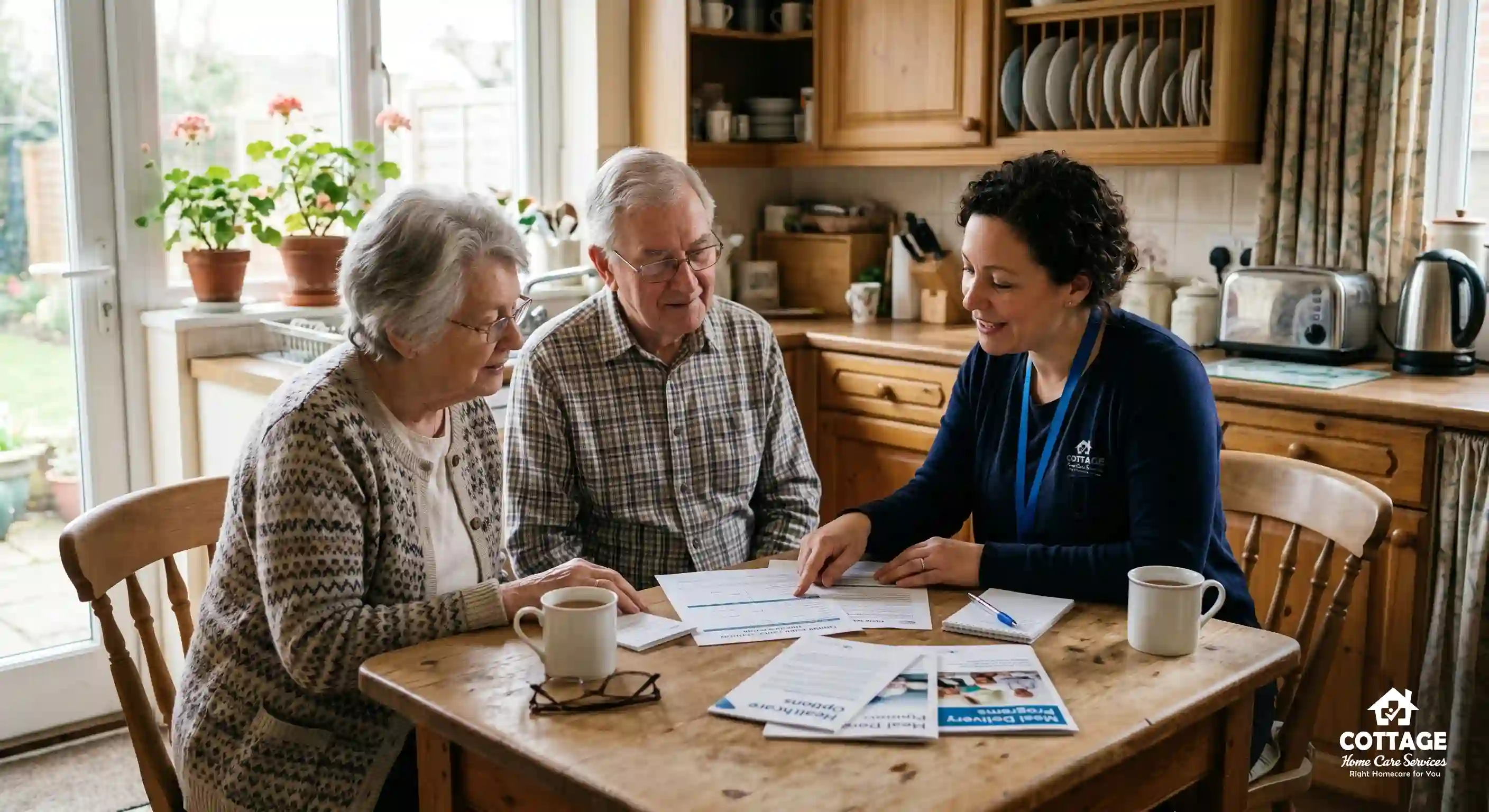
Not out of cruelty. Usually out of exhaustion. Or love gone clumsy. You're trying to help, and somehow the words come out wrong. Your mom goes quiet. Your dad changes the subject. The moment is gone.
Here's what most families don't realize: aging parents carry quiet fears that are hard to see from the outside. Fear of becoming a burden. Fear of losing independence. Fear of being treated like a child by the same people they once raised. The wrong sentence doesn't just sting — it confirms something they already worry is true.
This guide covers what those phrases are, why they land so hard, and the simple swaps that actually work. Plus: how to spot when the right words still aren't enough — and what to do then.
Quick Summary: How to Talk to Aging Parents
To maintain a strong relationship with aging parents, avoid phrases that chip away at their independence or highlight memory loss. Instead of saying "You're too old" or "You're being stubborn," use collaborative language like "How can we do this safely?" or "Help me understand your perspective." The goal is to preserve their dignity while still offering real support.
Why the Words You Choose Matter More Than You Think
The National Institute on Aging reports that roughly 70% of adults over 65 will need some form of long-term care in their lifetime. For most families, that shift doesn't arrive all at once. It sneaks up through small things. A missed appointment. A story told three times in one sitting. A fender-bender that wasn't there before.
Those moments put adult children on alert. Stress makes people say things they wouldn't otherwise.
A 2021 study published in The Gerontologist found that dismissive communication from adult children — even unintentional dismissiveness — was linked to higher anxiety and depression in older adults. So this isn't just about feelings. The words you use affect your parent's actual health outcomes.
One more thing worth knowing: UCLA research found that in emotionally charged conversations, up to 55% of what's communicated comes through body language and tone — not the actual words. Which means you can say the "right" thing and still send the wrong message if you're sighing, checking your phone, or rushing toward the door.
8 Things Not to Say to Your Aging Parents
1. "You're Too Old for That"
This phrase closes a door. It tells your parent their window for joy, challenge, or anything new has already shut — permanently. That's not just unkind. It's not even accurate.
Research from the Journal of Aging and Health links continued engagement in hobbies to longer, healthier lives. Your parent trying something new at 78 is actually the right call.
What to say instead:
- "That sounds interesting — how can we figure out how to do it safely?"
- "I'd love to help you work that out."
A quick gut check: Would you say this to a 50-year-old? If not, don't say it to a 75-year-old.
2. "You Already Told Me That"
Memory shifts as people age. That's biology, not failure. For your parent, that story may genuinely feel like the first time they've shared it. When you cut it short, you're not correcting a mistake — you're signaling that their presence is an inconvenience.
And here's what makes this one especially hard: when aging adults start to feel like they're wearing people out, many pull back rather than risk being annoying again. Silence follows.
What to say instead:
- "Tell me more — I love that one."
- "What was the best part?"
Those stories aren't filler. They're how your parent keeps their past alive and feels connected to you. Let them tell it.
3. "Let Me Handle It"
Even said with kindness, this phrase takes something away. Independence is one of the last things aging adults hold onto — not always because they're proud (though sometimes), but because managing their own life is proof they're still themselves.
When you step in without asking, you've answered a question nobody posed: Can you still do this yourself? And the answer you gave was no.
What to say instead:
- "Want a hand with any part of this, or do you want to take it yourself?"
- "I'm here if you need me."
Ask before acting. Let them lead. Step in only when they invite you.
4. "Why Can't You Remember That?"
This question has no good answer. It only confirms what your parent probably already fears about themselves.
The Alzheimer's Association estimates one in nine Americans over 65 has Alzheimer's. Many more live with undiagnosed mild cognitive changes that nobody has named yet. Shaming someone for something they can't control isn't motivation. It's just pain added to confusion.
What to say instead:
- "Let's write it down so we both have it."
- "Want me to set a reminder for both of us?"
Fix the problem. Don't name the fault.
5. "You Shouldn't Be Driving Anymore"
A car key is independence in physical form. Taking it away — without warning, without options, without discussion — lands like a punishment. Parents who feel ambushed dig in, not because they disagree, but because of how they were told.
What to say instead:
- "Have you noticed driving feeling more stressful lately? I have too. What do you think?"
- "Would it help to have a backup option for certain trips, so you're not stuck if something comes up?"
For Michigan families: The Michigan Secretary of State offers resources specifically for senior drivers, including voluntary assessment programs. Having a third party deliver this message — their doctor, a driving evaluator, or the SOS program — takes the accusation out of your relationship entirely. Whether you're in Detroit, Grand Rapids, Lansing, or anywhere across Michigan's 83 counties, local options exist so you don't have to be the one holding the key.
6. "You Need Help"
Said bluntly, this lands like a verdict. It tells your parent they've failed at something they used to handle without thinking. Even when the need is obvious, this delivery guarantees a shutdown.
What to say instead:
- "Would having a little extra support make your days easier?"
- "I just want to make sure you have everything you need — is there anything I could take off your plate?"
"Extra support" sounds like a choice. "You need help" sounds like a conclusion you reached without them.
7. "You're Being Stubborn"
Nobody has ever changed their mind because they were called stubborn. The label ends conversations. And it usually misses what's actually happening — what looks like stubbornness is almost always fear. Fear of losing control. Fear of what accepting help says about where things are headed.
What to say instead:
- "I can see you want to do this your way. Can we figure out how to make it safe together?"
- "Help me understand what's worrying you most."
When your parent pushes back hard, the real question isn't "what's wrong with them?" It's "what are they afraid of?"
8. "You Should Be Grateful"
This is probably the phrase that does the most lasting damage. Your parent spent decades providing for you. Late nights you don't remember. Sacrifices you never fully knew about. Hard choices made quietly so you could have easier ones.
Demanding gratitude reverses all of that. It turns them into a burden who should feel lucky for whatever help comes their way.
What to say instead:
- "I know this is a lot. I'm with you, whatever comes next."
- "We're in this together."
Gratitude shown is worth more than gratitude demanded.
The Do vs. Don't Quick Reference
| Instead of Saying… |
Try Saying… |
| "You're too old for that." |
"How can we do this safely together?" |
| "You already told me that." |
"Tell me more — I love that one." |
| "Let me handle it." |
"Want a hand, or do you prefer to do it yourself?" |
| "Why can't you remember that?" |
"Let's write it down so we both have it." |
| "You shouldn't be driving anymore." |
"Have you noticed driving feeling more stressful lately?" |
| "You need help." |
"Would extra support make things easier?" |
| "You're being stubborn." |
"Help me understand what's worrying you." |
| "You should be grateful." |
"We're in this together, no matter what." |
It's Not Just the Words — Body Language Matters Too
Most communication guides stop at what to say. Here's what they miss: your parent reads more than your words.
UCLA research found that tone, eye contact, and posture carry most of the emotional weight in face-to-face conversations. You can choose every word carefully and still come across as dismissive if you're standing over someone who's seated, visibly waiting for the conversation to end, or scrolling your phone while they talk.
Three small shifts that actually move things:
- Sit down. Standing while someone else sits creates a gap people feel even if they can't name it.
- Slow your speech. Talking fast says I'd rather be somewhere else. Slower says I have time for you.
- Make eye contact. Not a stare — just enough to say you have my full attention.
None of this is complicated. All of it changes the conversation.
For Families Caring from a Distance
Michigan families are spread out. Some are across the state. Some are three time zones away. If phone or video is your main connection, a few things matter differently:
- Video beats voice. Being seen matters. It reaches a kind of loneliness that a voice call can't quite touch.
- Regular calls beat reactive ones. A Tuesday evening check-in every week means more than a call that only happens when something's wrong.
- Open questions beat yes/no ones. "How was your week?" invites a real conversation. "Are you okay?" gets "fine" almost every time.
- Notice what's missing. If your parent sounds quieter than usual, name it: "You seem a little low today — what's going on?" That one observation opens more doors than you'd expect.
Mistakes Families Make Without Realizing It
These patterns show up constantly — especially when adult children are stretched thin.
Trying to fix instead of listen. When a parent shares a worry, the instinct is to solve it. But most of the time, they want to feel heard first. Jumping straight to solutions signals their feelings are a problem to be managed rather than something worth sitting with.
Hard conversations at the wrong time. Bringing up driving, finances, or care options when your parent is tired or already stressed rarely ends well. Most older adults do better in the morning. Evenings bring fatigue that makes everything feel heavier.
Expecting one conversation to settle things. It won't. Big questions — living arrangements, medical care, money — need to come up more than once. The first conversation plants a seed. That's it.
Speaking for them in front of others. At doctor visits especially — unless your parent truly cannot speak for themselves, let them speak. Jumping in to answer for them communicates, without a single word, that you no longer trust them with their own life. That message sticks longer than people realize.
Treating every disagreement as a symptom. Sometimes aging parents simply disagree with their adult children. That's not cognitive decline. That's adulthood. Treat pushback like you'd treat it from any adult you respect.
When the Right Words Still Aren't Enough
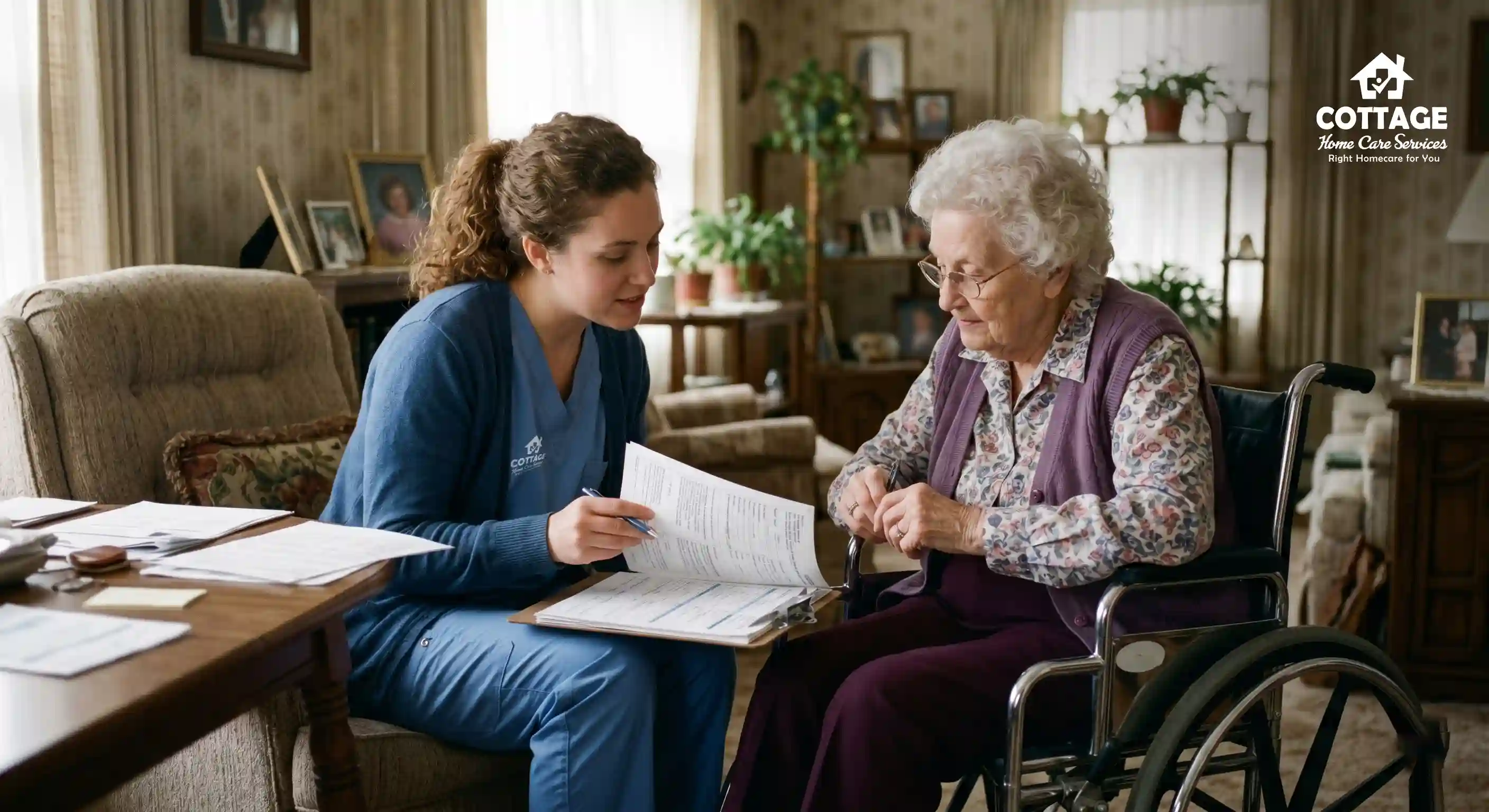
Sometimes the most loving thing you can do isn't finding better phrases. It's recognizing when the gaps in daily life have grown bigger than any conversation can fill.
Watch for:
- Medications regularly missed or confused
- Difficulty with cooking, cleaning, or basic personal care
- Unexplained weight changes
- Falls, near-falls, or new trouble with balance
- A home noticeably harder to keep up than it used to be
- Withdrawal from people or activities they used to look forward to
One or two of these alone might not signal anything urgent. Several at once — or a sudden change — usually means it's time to explore support at home.
Michigan families have real options. Medicaid-covered home care can bring a trained caregiver into your parent's home — keeping their independence intact while filling in what daily life now requires. Private pay arrangements offer flexible scheduling for families who want something built around their parent's specific situation. If you're not sure where to start, a free consultation with our care team takes about 20 minutes and answers most of what families are carrying.
Frequently Asked Questions
What are the 8 things not to say to your aging parents?
The eight phrases to avoid are: "You're too old for that," "You already told me that," "Let me handle it," "Why can't you remember that?" "You shouldn't be driving anymore," "You need help," "You're being stubborn," and "You should be grateful." Each one chips away at independence, dignity, or the sense that your parent's feelings still matter.
What should I say instead of "you need help"?
Try: "Would extra support make your days easier?" or "I'm here if you want an extra hand." Framing help as a choice — rather than a verdict — makes aging parents far more likely to accept it.
How do I talk to my aging parent about their future without starting a fight?
Ask questions instead of presenting solutions. "Have you thought about what would make things easier as time goes on?" invites them in rather than positioning you as the authority. Expect to revisit the topic more than once — big conversations rarely resolve in a single sitting.
What does it mean when aging parents seem stubborn?
Resistance is usually fear wearing a different face. Fear of losing control. Fear of what accepting help might mean. Rather than pushing harder, ask: "Help me understand what's worrying you most." People move when they feel heard, not when they feel cornered.
Is it normal for aging parents to repeat the same stories?
Yes. Repetition is common in aging and doesn't automatically signal dementia. For many older adults, familiar stories are a way to stay connected to who they've been and to feel valued in the present. Responding with patience and genuine curiosity says more than almost anything else.
What conversations should I have with aging parents before a crisis hits?
Discuss advance directives and medical wishes, key financial documents and contacts, how they feel about where they're currently living, and what kind of support they'd want if daily tasks became harder. These conversations are much easier before something forces them.
What signs mean an elderly parent needs help at home?
Regularly missed medications, trouble with cooking or cleaning, unexplained weight changes, falls or near-falls, withdrawal from people, and a home that's noticeably harder to maintain — these are the main ones. Several at once, or a sudden change, usually means it's time to act.
Conclusion
The right words won't stop aging. But they decide whether your parent feels like a burden or a person — whether they lean toward you or quietly away.
None of the eight phrases above get said with cruelty. They come from exhaustion, from overwhelm, from love that doesn't always know how to come out right. Nobody gets this perfect every day. That's not the point. The point is a small pause before speaking. A question instead of a declaration. A little more we and a little less you.
Your parents shaped how you move through the world. The words you bring back to them now are a chance to return some of that.
And when words aren't enough anymore — when the gaps have grown wider than any conversation can bridge — Cottage Home Care MI is here. We've served Michigan families across all 83 counties with caregivers matched by language, culture, and personality to your parent's specific needs. Medicaid certified. MDHHS approved. Flexible scheduling. No one-size-fits-all plans.
Schedule a free consultation →
(313) 762-4272 | michigan@cottagehomecare.com
150 W Jefferson Ave Suite P307, Detroit, MI 48226
This guide was compiled by the Cottage Home Care MI Clinical Advisory Team. Built on more than three decades of home care experience — established in 1992 and expanded to Michigan as a Medicaid-certified, MDHHS-approved agency — our team works daily with Michigan families navigating the real, practical challenges of aging. If you have questions, we're a phone call away.

























Discussion
Leave a Reply