Signs You Need Home Care: How to Know When Your Loved One Needs Support in Michigan
Since 1992, Cottage Home Care has helped thousands of families. We have seen children we cared for in the 90s now calling us to help their own parents. We know families worry about safety, health, and independence. In Michigan, winter snow, icy steps, and long drives across sprawling counties make staying safe at home even harder.
This guide will help you notice 10 signs your loved one may need home care, explain financial and safety red flags, and provide practical steps to start the conversation with your loved one.
Why Recognizing Home Care Needs Matters
Many families delay help. They want their loved ones to stay independent, or they don’t want to feel like they’re “giving up.” But waiting too long can put seniors at risk for:
- Falls on icy Detroit sidewalks or suburban driveways
- Medication errors due to memory loss
- Malnutrition from forgetting to cook or shop
Home care is about safety and comfort, not surrendering independence. Caregivers help with:
- Dressing and bathing
- Cooking and eating
- Mobility and fall prevention
- Memory support
- Emotional companionship
Example: During the “Great Freeze” of 2014, our caregivers checked on seniors in Grosse Pointe and Royal Oak neighborhoods when families could not reach them. These small interventions saved lives and gave families peace of mind.
10 Signs Your Loved One May Need Home Care
1. Trouble With Daily Activities (ADLs & IADLs)
Can they dress, bathe, or cook safely? These are called Activities of Daily Living (ADLs). When these tasks become hard, in-home senior support is needed. Instrumental Activities of Daily Living (IADLs)—like paying bills, handling mail, and managing transportation—are also key indicators.
2. Personal Hygiene Changes
Notice dirty clothes, skipped baths, or hair left uncombed? These may show mobility issues, depression, or early dementia. Caregivers can help with bathing, grooming, and dressing—keeping your loved one healthy and confident.
3. Frequent Falls or Mobility Issues
Are they moving slowly or have bruises from minor falls? Falls are a leading cause of injury for seniors, especially on Black Ice during Michigan winters. Caregivers provide mobility assistance, fall prevention, and home safety checks.
4. Memory Loss or Confusion
Do they forget medicines or appointments? Memory lapses may indicate cognitive decline or early Alzheimer’s. Cognitive support at home includes medication reminders, supervised daily routines, and mental stimulation activities.
5. Poor Nutrition or Weight Changes
Empty fridges, skipped meals, or sudden weight loss are warning signs. Proper nutrition helps seniors maintain strength and immunity. Caregivers assist with meal preparation, grocery shopping, and balanced diets.
6. Trouble Managing Medications & Polypharmacy
Taking multiple medicines can be confusing. Skipping doses or wrong combinations can cause health risks. A professional caregiver provides medication management, pill organization, and dosage reminders.
7. Home Becomes Cluttered or Unsafe
Piles of unopened mail, overdue property taxes, or utility shut-off notices are cognitive red flags. Messy homes increase fall risks and stress. Caregivers can organize the home, remove trip hazards, and ensure mail and bills are monitored.
8. Social Withdrawal or Isolation
Have they stopped seeing friends or attending local senior centers like the Detroit Northwest Activities Center or the Costick Center in Farmington Hills? Caregivers provide companionship, social engagement, and emotional support.
9. Increased Health Issues or Hospital Visits
Frequent ER visits or worsening chronic conditions (COPD, Heart Failure, Stroke) may indicate they need skilled nursing or home health assistance. Caregivers coordinate with local hospitals like Henry Ford Health, Corewell Health (Beaumont), and Trinity Health.
10. Family Caregiver Burnout
Caring for a loved one is exhausting. If you feel stressed, overwhelmed, or sleep-deprived, hiring professional support benefits both you and your loved one.
Financial & Paperwork Red Flags
Look for unopened mail, overdue bills, or confusion about insurance. Seniors may be struggling to manage:
- Long-Term Care Insurance paperwork
- Medicaid spend-down forms
- Power of Attorney responsibilities
These are signs that home care support or a geriatric care manager may be needed.
How to Talk to Your Loved One About Care
Many seniors resist help. Here is a 3-step script families can use:
- Start with concern: “I’ve noticed you’ve had trouble with cooking and walking lately. I worry about your safety.”
- Offer choice and control: “We can try a few hours of help at home. You can choose what tasks you want help with.”
- Highlight benefits: “This will keep you safe and let you stay in your home longer, without giving up independence.”
Michigan-Specific Advantages
Winter Safety Audit: Michigan winters are tough. Seniors face black ice, slippery sidewalks, heavy snow, and early nightfall affecting mobility. Caregivers help prevent accidents and provide support during winter months.
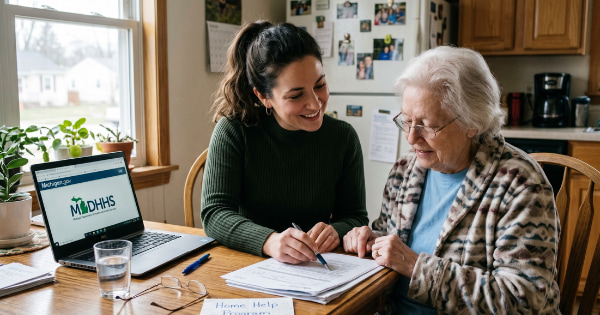
MI Choice Waiver Program: The MI Choice Waiver helps low-income seniors stay at home with Medicaid-funded services. Cottage Home Care MI helps families navigate this program to cover home care costs, access skilled nursing or respite care, and ensure compliance with MDHHS & CHAMPS rules.
Lake Effect & Rural Isolation: Many Michigan seniors live far from grocery stores or doctors. Our caregivers provide transportation, grocery shopping, medication pick-ups, and companion care in Wayne, Oakland, and Macomb counties.
Local Resource Directory: We partner with Area Agency on Aging 1-B and 1-C, Detroit and suburban senior centers, and local hospitals and clinics.
About Us: Cottage Home Care
Since 1992, we’ve provided professional, culturally matched caregivers. Our mission started from a personal family experience: Our founder saw how challenging it was for seniors to stay safe at home, and wanted to make a difference. Learn more about our story.
Real-life example: During the 2014 Great Freeze, our caregivers checked on seniors in Grosse Pointe and Dearborn when families could not get through snow-blocked roads.
We specialize in Medicaid & CHAMPS-certified home help, flexible hours, extra free care, and private pay options, skilled personal care, companion care, fall prevention, and dementia support.
FAQ
Q: How do I know if my parent needs a caregiver?
A: Look for trouble with daily tasks, hygiene, memory issues, isolation, or financial confusion.
Q: How can I get Medicaid or MI Choice Waiver support?
A: We guide families through MDHHS & CHAMPS programs in Michigan.
Q: Can caregivers help during winter hazards?
A: Yes! Caregivers assist with snow, ice, mobility, and transportation.
Q: What hospitals do you work with?
A: Henry Ford Health, Corewell Health, Trinity Health, and local clinics.
Q: Is home care expensive?
A: We offer flexible hours, Medicaid-certified care, private pay plans, and guidance to access financial assistance.
|
|




















Discussion
Leave a Reply