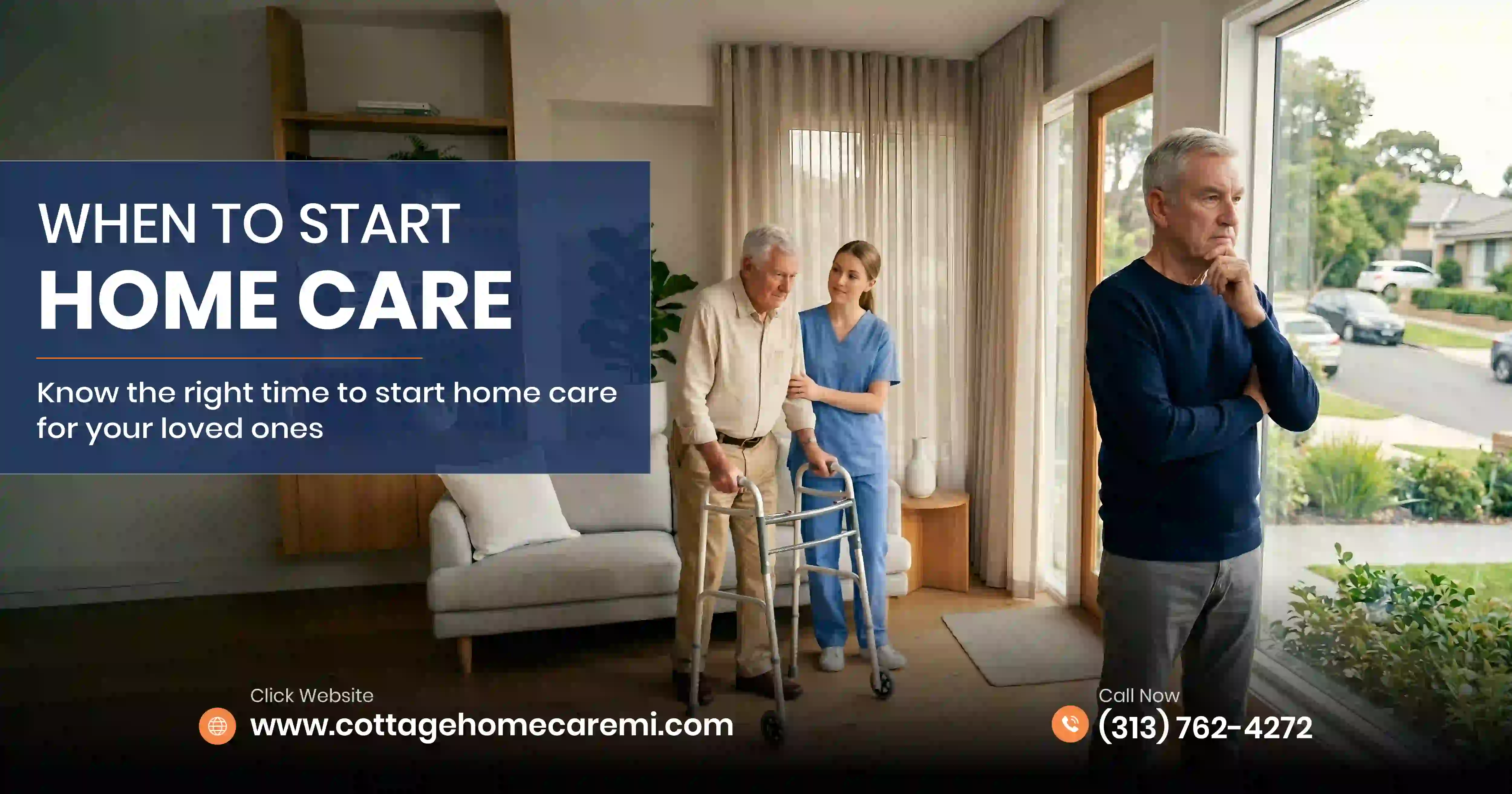
When to Start Home Care
Know the right time to start home care for your loved ones
When to Start Home Care for Loved Ones
You don't need a guide to take care of a loved one as they get older, get sick, or get better; you just do it. You become their champion, support system, scheduler, chef, and sometimes even their nurse, all while balancing your job, family, and personal responsibilities. When to start home care is typically the most important turning point in this journey. It is the time at which the physical and mental demands of caregiving become too much for the caregiver to handle alone, and they need expert help to keep both the patient and the caregiver safe. Love drives this change, but the awareness that being a hero doesn't mean you have to do it alone is what makes it happen.
And if you’re like most, this question has probably crossed your mind at some point: How do I know when I shouldn’t handle this alone anymore?
This is not a simple question, and it rarely has a clear-cut answer. It often comes with uncertainty and a sense of responsibility. Still, recognizing these concerns is important. It’s often the first hint that a bit of extra support could bring more safety and comfort into daily life.
Top 7 Signs Your Elderly Loved One Needs Home Healthcare Services
But how can you know when you need to get help from a professional? Let's look at the top seven indicators that your older loved one requires home care and how senior care in the United States may help your family through this big change.
Decline in Personal Hygiene
A significant decrease in personal cleanliness and daily self-care is one of the first signs that an elderly loved one may require home care. These changes typically occur gradually over time and may indicate that your loved one is struggling with physical, emotional, or mental challenges that make it difficult for them to complete their daily chores on their own.
You may notice:
- Clothes that haven't been washed or wearing the same outfit for several days in a row.
- Strong body odor or not washing regularly
- Hair and grooming that aren't taken care of or combed
- Hard time brushing teeth or keeping mouth clean
- Has trouble getting dressed properly or using the restroom
These changes may be linked to conditions such as reduced mobility, arthritis, depression, or dementia. Regardless of the cause, they often signal the need for additional daily support.
With the help of trained home care professionals, your loved one can receive respectful assistance with essential tasks, including:
- Bathing, grooming, and dressing support
- Toileting and incontinence care
- Medication reminders
- Meal preparation and feeding assistance
By ensuring consistent personal care, home health services help reduce health risks such as infections or skin issues, while also supporting dignity, confidence, and overall well-being.
Difficulty Managing Medications
If your older loved one has trouble taking their pills correctly, there's another clue that they may need home care help. It can be hard to remember to take all of your medications at the appropriate time and in the right amount, especially if your memory or habit starts to slip.
Look out for:
- Missing dosages or failing to take drugs
- Taking the same drug twice by accident.
- Confusion regarding dosing directions
- Expired or disorganized drugs at home
- avoiding medications entirely.
These issues can lead to serious health problems, such as worsening medical conditions, having to go to the hospital when you don't need to, or receiving drugs that don't function well together. In many situations, this difficulty is caused by memory issues, vision impairments, or just having to take a variety of medications.
Home care professionals can provide essential support by helping with:
- Reminders to take medicine at the right times
- Putting medications in pill boxes or on schedules
- Keeping an eye on how well people follow their prescribed regimens
- Talking to relatives or healthcare providers about your worries
With proper medication management support, your loved one can maintain better health stability, avoid complications, and gain peace of mind for both themselves and their family.
Reduced Mobility, Balance Issues & Falls
A reduction in movement or balance is a common indication that an older loved one requires home care assistance. Simple daily movements can become harder, increasing the likelihood of falls or injury.
Red flags might be:
- Having trouble walking or moving safely around the house
- Not being able to keep your balance when standing or turning
- Having trouble getting up or sitting down
- Fear of walking alone because of the chance of falling
- Recent falls or slips
These issues may be caused by aging, muscle weakness, joint pain, or health conditions.
Home care support can help by providing:
- Safe help for walking and mobility.
- Assistance with getting into and out of bed or chairs.
- Fall prevention support at home
- Gentle encouragement for safe action.
With the right help, seniors can stay safer, more confident, and more independent in their daily life.
Memory Decline, Confusion & Cognitive Changes
Some forgetfulness is a normal part of aging, but when memory problems begin to affect daily life, it may indicate a deeper cognitive concern such as dementia or Alzheimer’s disease.
You may notice:
- Asking the same questions or telling the same stories over and over
- Not remembering things that happened or were said recently
- Putting things in strange places
- Being puzzled in places you know well
- Changes in how you feel, act, or think
- Having trouble recognizing individuals you know
When these signs become more frequent, extra support may be needed to ensure safety and stability at home.
Home care services can help by providing:
- Gentle memory help and daily routine structure.
- Supervision to prevent confusion and straying.
- Emotional assurance and peaceful companionship
- Help in maintaining a safe, familiar atmosphere
People who are going through cognitive changes might feel safer, more supported, and more at ease in their daily lives with the correct treatment.
Weight Loss, Malnutrition or Poor Eating Habits
An alteration in eating routines is another often ignored symptom of health problems. Causes could be:
You may notice:
- sudden or gradual weight reduction
- Skipping meals or eating too little
- Lack of interest in food.
- expired or ruined food in the kitchen.
- Difficulty cooking and preparing meals
These changes may happen due to reduced appetite, difficulty cooking, dental issues, or forgetfulness.
Home care support can help by providing:
- Diet Planning
- Grocery shopping
- Feeding Assistance
- Regular hydration tracking
With proper nutritional support, seniors can maintain better energy, strength, and overall well-well-being.
Social Isolation and Emotional Distress
Elderly people are becoming increasingly concerned about loneliness. Seniors may experience social isolation because of:
- Loss of spouse or close friends
- Decreased mobility
- Hearing or vision loss
- Depression or anxiety
- Distance from family
These changes can be caused by depression, loss of independence, or limited mobility, and should not be ignored.
Home care support can help by providing:
- Friendly company and talking to each other every day
- Support and comfort for your feelings
- Encouragement to keep doing things
- Help keep up with a daily schedule
With regular companionship and care, seniors often feel more connected, valued, and emotionally supported in their daily life.
Post-Hospital or Post-Surgery Care Needs
When an older person comes home from surgery, a stroke, or a serious illness, they often require extra medical help to get better safely and avoid problems. This is especially important after conditions like:
- Stroke or paralysis
- Cancer treatment
- Heart or lung diseases (COPD, cardiac issues)
- Orthopedic or major surgeries
Requires specific attention. The probability of issues and readmissions can be significantly reduced with full-time in-home senior care.
Services include:
- Wound care
- IV therapy
- Catheter and tracheostomy management
- Monitoring vitals and oxygen levels
- Post-surgical mobility support
- 24/7 ICU-like setups
Thanks to advanced Cottage Home Care, even intensive care is possible from the comfort of home, reducing stress on the patient and family.
How to Talk With an Aging Parent About Home Care
With the increasing availability of home healthcare services in India, selecting the right provider requires careful consideration to ensure safe, reliable, and compassionate care for your loved ones. When choosing care for an elderly parent, it’s important to look beyond basic services and focus on overall quality and support.
Key factors to consider include:
- Proper background checks for caregivers
- Experience in elderly nursing and support care
- Access to qualified medical professionals such as nurses, physiotherapists, and doctors
- Flexible and personalized care plans for seniors
- Availability of emergency response and supervision
- Clear communication and transparency in services
Conclusion
Taking care of an aging parent or loved one is an act of love, but it may also be emotionally and physically demanding. Many families attempt to manage everything on their own, but there comes a time when a little extra help can make life easier for everyone concerned.
If you begin to notice the symptoms we've described, it may be time to consider home healthcare. Getting help early can minimize stress, increase safety, and ensure your loved one receives the care and attention they require.
Home care is about sharing responsibilities rather than stepping back from them. With the correct support, your loved one can remain secure and comfortable at home, while you can rest easy knowing they are being treated with kindness and respect.
💬 Let’s Talk. We’re Ready When You Are.
Riverside Select Services, LLC, DBA Cottage Homecare Services welcomes any feedback. Have any questions? Unsure whether your insurance covers home care services? Do you need an assessment? We would love to speak with you. Please contact us via phone or email. Thank you.
To find out more about how we can help you and your loved one, please call us or email us a message.
Call today or 📍 come visit a location near you.